"Last Angel feat. Tohoshinki"
Tri-Angle
Soundtrack
127,838+ (Japan)
Ending theme
Friday, October 28, 2011
Thursday, October 27, 2011
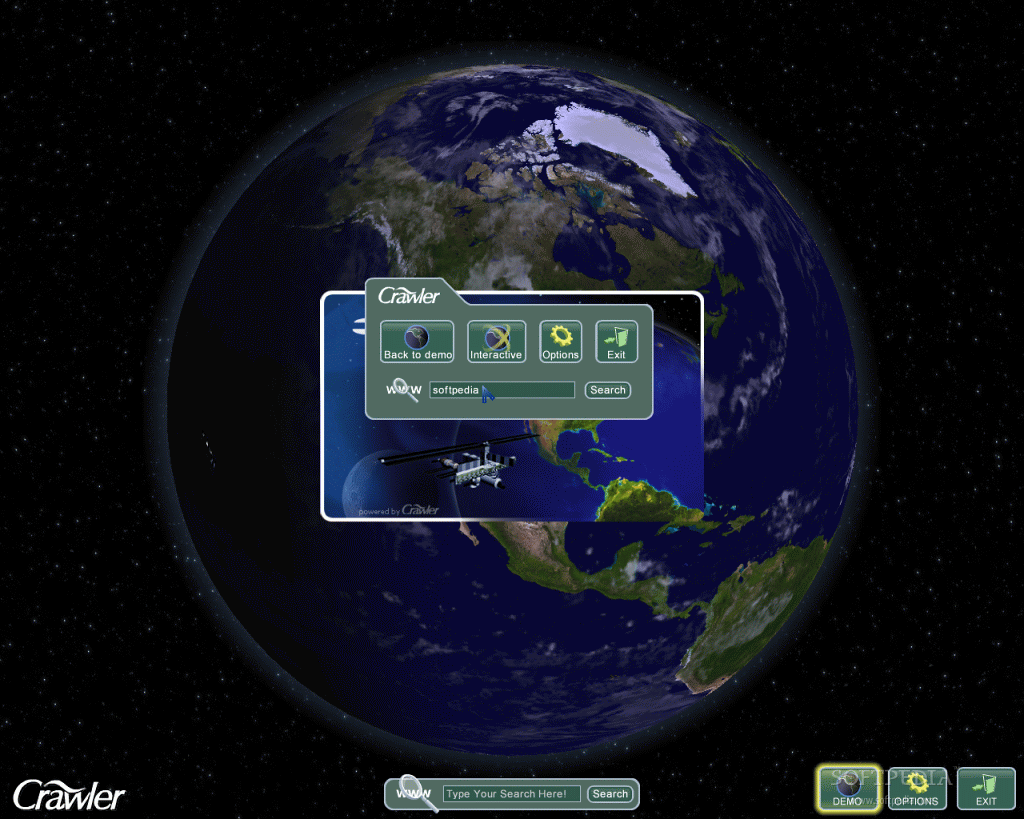
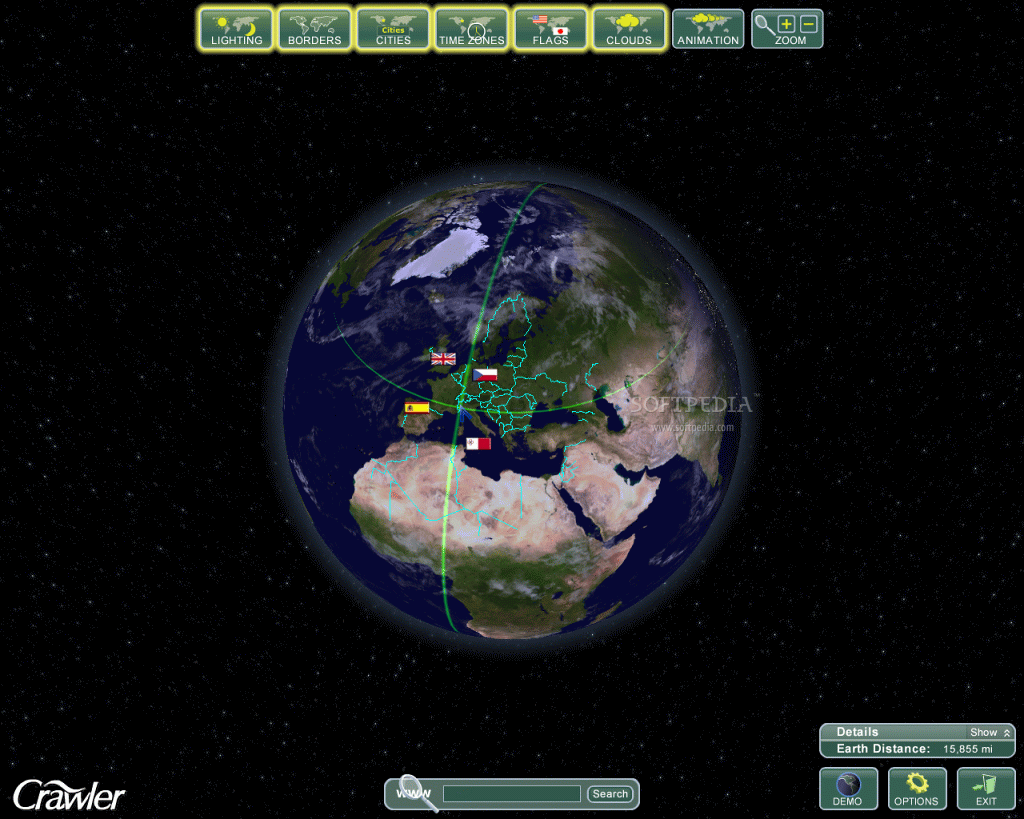
Earth 3D Space Survey be
Worms 2: Armageddon was developed by Team17 for Xbox Live Arcade. The game is heavily inspired by Worms Armageddon's success, and tries to mimic the game's physics and several other aspects, such as the variety of available weapons. Several new weapons are also available, such as a gas pump which fills underground tunnels with poison gas.
In 2003, Worms 3D was released for PlayStation 2, Nintendo GameCube, Macintosh, Windows, and Xbox. This was the first game in the series to bring the characters into a three-dimensional environment. It features a 'poxel' engine, described as a hybrid of polygons and voxels (the 3D analogues of pixels). This allows for pseudo-realistic terrain deformation similar in style to the 2D games, in which the terrain was represented by a bitmap.
The second 3D game in the series was Worms Forts: Under Siege, for PlayStation 2, Xbox and PC. It was released in November 2004 and features the biggest deviation from the traditional gameplay that the series has so far seen. Players' worms are able to build forts, and the objective of the game has shifted from simply killing the enemy worms, as players can now win a game by destroying the opponent's fort. Due to the change in strategy, this game could be seen more as a spin-off — though some aspects like the customizable costumes were carried into Worms 4.
The weapons available in the game range from a standard timed grenade and homing missiles to exploding sheep and the highly destructive Banana Bomb (possible reference to the weapons in Gorillas game), both of which have appeared in every Worms game so far. More recently, the Worms series has seen weapons such as the iconic Holy Hand Grenade, the Priceless Ming Vase and the Inflatable Scouser.
A number of Worms-themed spin-offs have also been released, including Worms Pinball (1999), Worms Blast (2002), Worms Golf (2004) and Worms: Crazy Golf (2011). Worms Breakout and Worms Breakout 2, fangames based on the popular arcade game Breakout, have been made available for download through the official Worms Armageddon website.
In 2003, Worms 3D was released for PlayStation 2, Nintendo GameCube, Macintosh, Windows, and Xbox. This was the first game in the series to bring the characters into a three-dimensional environment. It features a 'poxel' engine, described as a hybrid of polygons and voxels (the 3D analogues of pixels). This allows for pseudo-realistic terrain deformation similar in style to the 2D games, in which the terrain was represented by a bitmap.
The second 3D game in the series was Worms Forts: Under Siege, for PlayStation 2, Xbox and PC. It was released in November 2004 and features the biggest deviation from the traditional gameplay that the series has so far seen. Players' worms are able to build forts, and the objective of the game has shifted from simply killing the enemy worms, as players can now win a game by destroying the opponent's fort. Due to the change in strategy, this game could be seen more as a spin-off — though some aspects like the customizable costumes were carried into Worms 4.
The weapons available in the game range from a standard timed grenade and homing missiles to exploding sheep and the highly destructive Banana Bomb (possible reference to the weapons in Gorillas game), both of which have appeared in every Worms game so far. More recently, the Worms series has seen weapons such as the iconic Holy Hand Grenade, the Priceless Ming Vase and the Inflatable Scouser.
A number of Worms-themed spin-offs have also been released, including Worms Pinball (1999), Worms Blast (2002), Worms Golf (2004) and Worms: Crazy Golf (2011). Worms Breakout and Worms Breakout 2, fangames based on the popular arcade game Breakout, have been made available for download through the official Worms Armageddon website.
Medical Clinics � The
By the early 1940s two-piece swimsuits were frequent on American beaches. Hollywood stars such as Ava Gardner, Rita Hayworth and Lana Turner tried similar swimwear or beachwear. Pin ups of Hayworth and Esther Williams in the costume were widely distributed.
The bikini is typically a women's two-piece swimsuit. One part of the attire covers the breasts and the other part covers the crotch and part of or the entire buttocks, leaving an uncovered area between the two. Merriam–Webster describes the bikini as "a woman's scanty two-piece bathing suit" or "a man's brief swimsuit". It is often worn in hot weather, while swimming or sunbathing. The shapes of both parts of a bikini resemble women's underwear, and the lower part can range from revealing thong or g-string to briefs.
There is evidence of ancient Roman women playing Expulsim Ludere, an early version of handball. Female athletes who play beach volleyball professionally usually wear two-pieces. These bikinis are designed with functionality rather than fashion in mind.
While two-piece bathing suits had been worn on the beach before, the modern bikini was invented by French engineer Louis Réard in 1946. He named it after Bikini Atoll in the Pacific, the site of the Operation Crossroads nuclear weapon tests in July that year.
The bikini has spawned many stylistic variations. A regular bikini is defined as a two pieces of garments that cover the groin and buttocks at the lower end and the breasts in the upper end. Some bikinis can offer a large amount of coverage, while other bikinis provide only the barest minimum. Topless variants may still be considered bikinis, although technically no longer two-piece swimsuits. Along with a variation in designs, the term bikini was followed by an often hilarious lexicon including the monokini (top part missing), seekini (transparent bikini), tankini (tank top, bikini bottom), camikini (camisole top and bikini bottom) and hikini. Since fashions of different centuries exist beside one another in early 21st century, though it is possible to imagine a woman combining a bikini and a 1910 bathing costume.
The bikini is typically a women's two-piece swimsuit. One part of the attire covers the breasts and the other part covers the crotch and part of or the entire buttocks, leaving an uncovered area between the two. Merriam–Webster describes the bikini as "a woman's scanty two-piece bathing suit" or "a man's brief swimsuit". It is often worn in hot weather, while swimming or sunbathing. The shapes of both parts of a bikini resemble women's underwear, and the lower part can range from revealing thong or g-string to briefs.
There is evidence of ancient Roman women playing Expulsim Ludere, an early version of handball. Female athletes who play beach volleyball professionally usually wear two-pieces. These bikinis are designed with functionality rather than fashion in mind.
While two-piece bathing suits had been worn on the beach before, the modern bikini was invented by French engineer Louis Réard in 1946. He named it after Bikini Atoll in the Pacific, the site of the Operation Crossroads nuclear weapon tests in July that year.
The bikini has spawned many stylistic variations. A regular bikini is defined as a two pieces of garments that cover the groin and buttocks at the lower end and the breasts in the upper end. Some bikinis can offer a large amount of coverage, while other bikinis provide only the barest minimum. Topless variants may still be considered bikinis, although technically no longer two-piece swimsuits. Along with a variation in designs, the term bikini was followed by an often hilarious lexicon including the monokini (top part missing), seekini (transparent bikini), tankini (tank top, bikini bottom), camikini (camisole top and bikini bottom) and hikini. Since fashions of different centuries exist beside one another in early 21st century, though it is possible to imagine a woman combining a bikini and a 1910 bathing costume.
Subscribe to:
Comments (Atom)